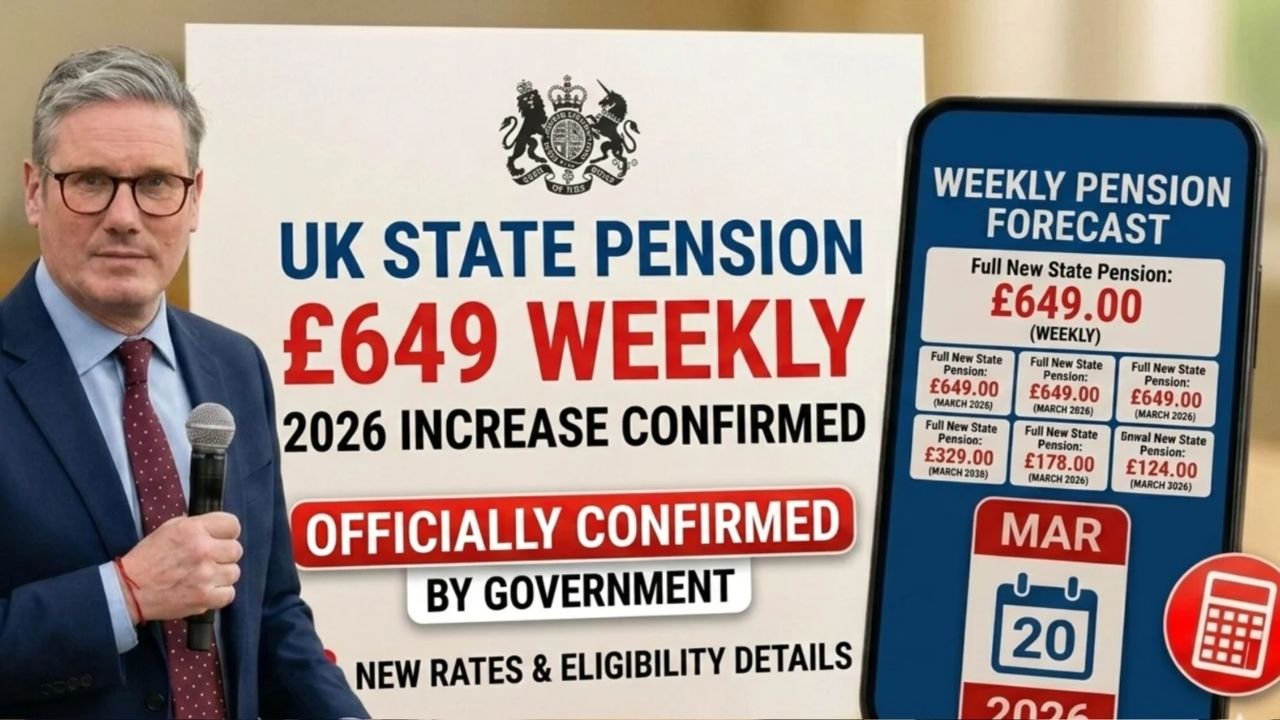
Headlines touting a £649 weekly State Pension in 2026 have stirred excitement across the UK, but it’s essential to understand the context. The standard New State Pension is significantly lower, and reaching this headline figure usually involves specific scenarios such as deferred claims or additional top-ups from Pension Credit and other support programs.
With the Triple Lock still in effect, retirees can expect predictable increases, yet the £649 weekly figure represents a peak scenario rather than a standard payout. Understanding how this figure is calculated and what it means for your personal finances is crucial.
How the Triple Lock Shapes Pension Increases

The Triple Lock policy guarantees that the State Pension rises each year by the highest of three measures: average earnings growth, Consumer Price Index (CPI) inflation, or a minimum 2.5%. In 2026, the earnings element has driven a significant uplift, reflecting post-recession wage growth.
For retirees on the Full New State Pension, this translates into a steady increase that generally outpaces inflation, helping maintain purchasing power despite rising living costs. This annual adjustment ensures the pension remains a reliable foundation for retirement.
New State Pension vs Basic State Pension
UK retirees may be on either the New or Basic State Pension.
- New State Pension: Applies to those reaching State Pension age on or after April 6, 2016. This is a higher flat-rate payment designed to provide a more predictable retirement income.
- Basic State Pension: Applies to those who reached retirement age before April 2016. While the Triple Lock still applies, the base amount is lower, though additional elements such as SERPS or State Second Pension can boost overall income.

Understanding which system you belong to is essential when evaluating your potential weekly income.
Deferring Your Pension for a Higher Payment
Deferral is a strategy that can significantly increase your weekly pension. For every nine weeks you delay claiming past your State Pension age, your payment increases by 1%.
An individual who continues working until age 70 before claiming can see a substantial boost. When combined with annual Triple Lock increases, this strategy can bring headline figures like £649 into reach, though these amounts represent the maximum achievable rather than the standard starting payment.
2026 Cost of Living Adjustments

The UK government has been under pressure to ensure State Pension rates reflect current living costs. While headline inflation has cooled, essentials like energy and food remain expensive. The 2026 adjustments aim to provide a buffer, particularly for retirees relying solely on fixed incomes.
Early confirmation of these rates allows households to plan ahead, providing financial stability during the year.
Pension Credit and Additional Support
For retirees whose State Pension doesn’t cover all expenses, Pension Credit remains a valuable benefit. Even small amounts can unlock additional support, including:
- Full Housing Benefit
- Council Tax reductions
- Warm Home Discount
- Free TV licenses for those aged 75 and above
When media reports cite figures like £649 per week, they often aggregate these benefits alongside the base State Pension to present a “total support package.”
Eligibility for the Full New State Pension
To receive the full New State Pension in 2026, 35 qualifying years of National Insurance contributions are required. Individuals with 10–34 years receive a pro-rata amount.
Gaps in contributions due to self-employment or time abroad are common. The government currently allows certain “buy-back” opportunities to cover missing years, which can substantially increase weekly income with a one-off payment.
Future of the Triple Lock
The sustainability of the Triple Lock is a topic of ongoing debate. Critics argue it is costly, while supporters emphasize its role in preventing senior poverty. In 2026, the government remains committed, though fiscal drag means rising pensions may push some retirees into the 20% tax bracket.
Even with higher payments, tax implications should be considered when planning retirement finances.
Using the GOV.UK State Pension Calculator
The most reliable way to check your pension is via the “Check your State Pension” service on GOV.UK. This tool uses your actual National Insurance record to provide:
- Estimated weekly payment
- Claiming age
- Steps to increase your pension if gaps exist
With 2026 rates integrated, logging in now ensures clarity and helps you plan for a comfortable retirement.
National Insurance and Pension Funding
National Insurance contributions continue to underpin the State Pension. Changes in rates for employees and the self-employed ensure the system remains funded while incentivizing private retirement savings through workplace pensions and auto-enrolment schemes.
Complementing the State Pension with Private Savings
While a £649 weekly figure is impressive, most financial advisors stress that the State Pension alone rarely ensures a comfortable retirement. Combining it with private pensions, ISAs, or savings allows retirees to achieve higher income levels suitable for travel, hobbies, and family support.
Looking Ahead to 2027 and Beyond
Discussions on raising the retirement age are ongoing, with proposals to move the pension age to 68 sooner than initially planned. For 2026, however, the government has provided certainty, securing purchasing power for retirees for the year.
Final Thoughts
The £649 weekly headlines highlight the potential maximum achievable with deferrals and additional support but do not represent the standard payout. UK retirees should actively verify their personal status, check for Pension Credit eligibility, and ensure all entitlements are claimed.
Being proactive is key—your State Pension and associated benefits are there to provide financial security, but understanding the system ensures you maximize the income you are entitled to.